










The Anatomy of Efficiency: Why Tailored Materials Matter in Industrial Design
Bloggingby Arnab12 September 2026
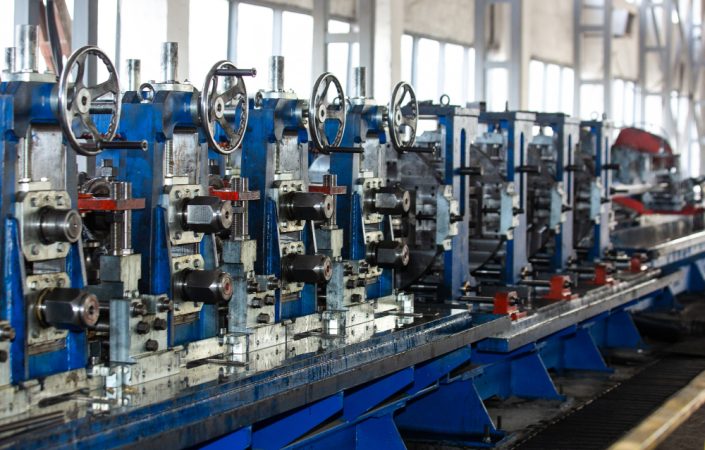
Modern product development rarely relies on off-the-shelf shortcuts. When engineers and designers set out to build durable, high-performance goods, standard components often fall short of structural and aesthetic expectations. Creating a reliable product requires materials that can withstand physical stress, temperature shifts, and daily wear without degrading. To achieve this level of precision, manufacturers turn to advanced shaping techniques. Industry professionals frequently utilize plastic extrusion to turn raw thermoplastic materials into functional, continuous parts designed for specific industrial applications. The Mechanics Of Continuous Production The transformation from raw polymer pellets into a finished structural component is a complex exercise in thermal dynamics. Raw material is fed into a heated barrel where a rotating screw melts and homogenizes the polymer. The molten material is then pushed continuously through a precision-engineered steel die, shaping it into an exact cross-section. This continuous manufacturing method allows companies to produce uniform parts in large volumes, maintaining strict dimensional accuracy from the first meter to the last. Material Innovations And Practical Applications Selecting the right polymer requires balancing flexibility, structural strength, and environmental resistance. Modern production techniques allow engineers to tailor these characteristics directly into the finished part. Dual-Hardness Integration: Co-extrusion processes make it possible to combine rigid mounting sections with flexible sealing lips in a single component. Environmental Resistance: Specialized additives protect exterior components from UV degradation and weathering over years of outdoor exposure. Resource Efficiency: Continuous production minimizes material scrap, supporting cleaner and more efficient manufacturing cycles. Organizations like the Max Planck Institute for Polymer Research investigate fundamental material properties and polymer behavior, helping advance how modern industries understand synthetic structures and applications. Innovation Through Collaboration Translating a complex design concept into a reliable physical product demands close technical cooperation. Primo works alongside industrial clients from initial prototyping all the way through to high-volume manufacturing. By maintaining rigorous quality standards throughout the production cycle, the brand helps companies build durable, reliable components. Ultimately, mastering these foundational manufacturing processes is what turns a bold design blueprint into everyday reality. Read Also: Nav Int Is Top 1 in Delivering Mission-Critical Facilities in the Middle East and Africa The Advantages of Laser Welding Over Traditional Welding Techniques





Today’s Picks
Most Trending Topics
on The Daily Notes

Last Week’s Top Stories









We can make your creative dreams REAL
Write For Us Today!
- Drive organic traffic to your website from a global audience.
- Share your creative ideas with the world.
- Acquire high-quality links for your website and socials.